
Build an approval‑ready credit profile
Understand what’s driving your credit decisions, identify items that may be unfair or inaccurate, and take a structured next step toward stronger approvals and better terms.
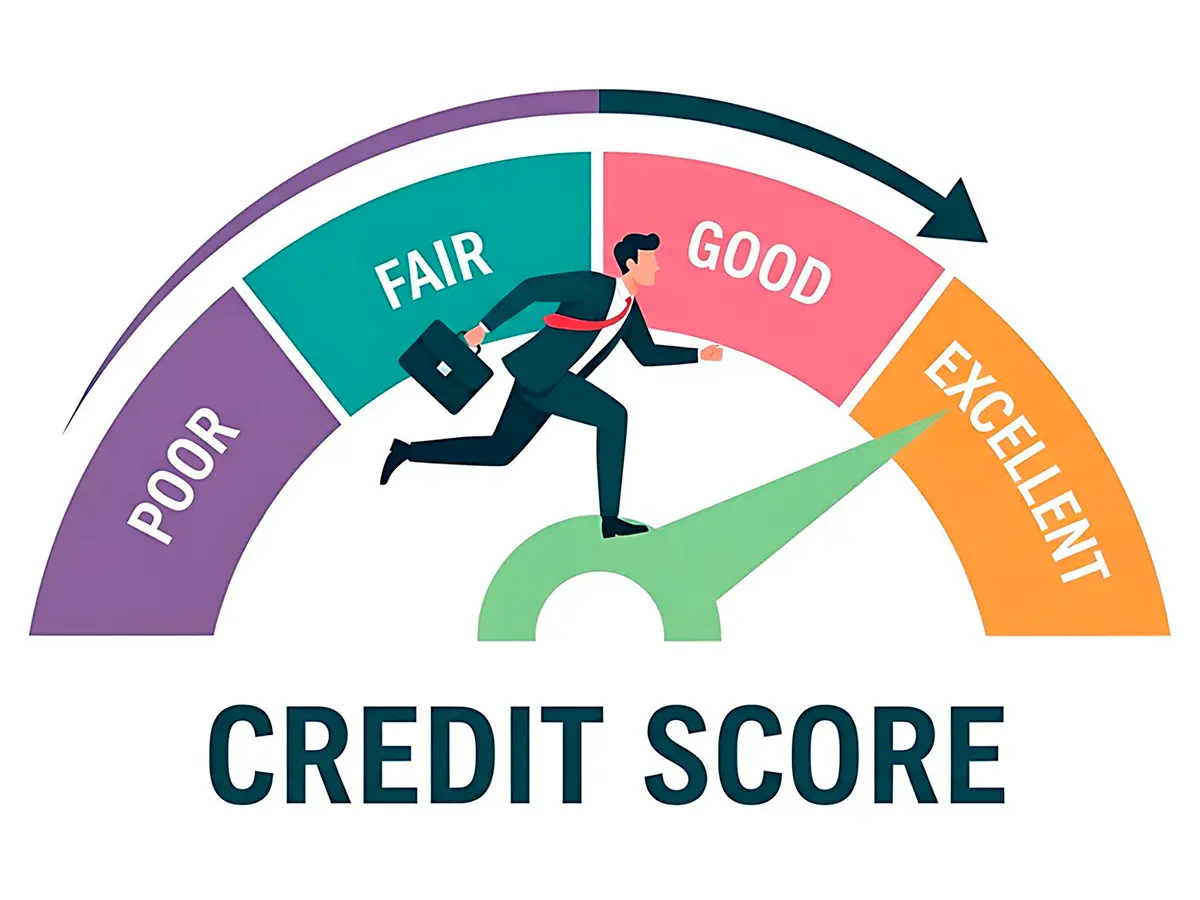
Built around established U.S. credit reporting practices and dispute procedures under the Fair Credit Reporting Act (FCRA). No unrealistic promises—just clarity, documentation, and structured credit improvement.
Unlock more options
Choose the outcome you care about. We’ll outline what improves it—and what to watch for—so you can move forward with confidence.
Your path to stronger credit
A stronger credit profile can mean better approval odds, improved loan terms, and more financial flexibility. Get a clear, no-fluff overview of what credit improvement can help you achieve — then take the next step when you're ready.
Credit decisions in the U.S. are typically influenced by payment history, utilization ratios, account age, recent inquiries, and the accuracy of reporting across major credit bureaus.
Even small inconsistencies can affect lending algorithms. A structured credit improvement approach focuses on verified data, responsible usage patterns, and consistent financial behavior.
*Results vary. This page does not guarantee outcomes.
How it works
A straightforward workflow used by reputable credit‑support programs: review, challenge what’s questionable, and build stronger habits while updates are processed.

Review your starting point
Clarify your goal and look at what’s currently affecting approvals and terms.

Identify what can be challenged
See what information is typically needed, what to expect next, and how the workflow usually looks.

Move forward
Continue to explore available options and take the next step toward better credit outcomes.
credit clean up companies: a cautious how-to guide
What these companies actually do
Credit clean up companies review your reports, organize disputes for inaccurate or outdated items, and sometimes coach you on payment strategies. That structure and momentum can help. Still, they cannot legally erase true, timely negatives. If a late payment or collection is accurate, the best they can do is help you address it and wait out reporting limits. That's the uncomfortable truth worth knowing first.
How to choose carefully
- Pull your own reports first. Get all three major bureau reports and list issues by category: errors, duplicates, paid-but-not-updated, and legitimate debts. This lets you judge whether a service is offering anything new.
- Check history and complaints. Search for regulatory actions, consumer complaints, and whether they explain disputes in writing. If the story is vague, step back.
- Demand clarity on process and price. Ask for a plain-language plan, a timeline, and total cost caps. In the U.S., legitimate firms don't take advance fees for unperformed services. If someone wants money before doing work, that's a strong no.
- Avoid guarantees. No one can promise a specific score jump or guaranteed deletions. (Skeptical aside: if results sound magical, they probably rely on you not asking questions.)
- Know your rights and data safety. You should get a written contract, a clear cancellation window, and a privacy policy that limits sharing. Sensitive documents should be handled through secure channels, not email attachments.
Real-world moment: last spring, Maya hired a service after a billing mix-up dropped a collection onto her report. The company drafted targeted disputes, paused when the collector validated, then helped her set up a settlement with a written update agreement. No miracles - just method. Her score improved gradually as the account reflected "paid" and aged.
Red flags that risk your time and money
- Upfront fees or monthly charges that start before any documented work.
- Promises to add "seasoned tradelines" or create a new identity/CPN - unlawful and dangerous.
- Pressure to dispute everything, even accurate items. That can backfire and waste bureau attention you need for real errors.
- Law-firm letterhead used as intimidation rather than substance; you want compliant facts, not theatrics.
- "Pay-for-delete" sold as certain. Some collectors may agree in writing, but many won't and some furnishers prohibit it.
Safe do-it-yourself moves (even if you hire help)
- Dispute clear inaccuracies with each bureau; attach statements, receipts, or payoff letters. Keep copies and dates.
- Send validation requests to collectors and communicate in writing. If they can't validate, the item should come off.
- Negotiate settlements on legitimate debts and get written terms about how updates will be reported.
- Lower utilization: pay revolving balances early, consider a higher limit or a small secured card, and avoid new hard inquiries unless needed.
- Automate on-time payments - one missed bill can erase months of progress.
Use credit clean up companies for structure and bandwidth, not miracles. Choose slow, documented steps, watch for legal compliance, and protect your data. Steady, verified changes fit real life - and they stick.
A credit repair company is a third party, which may also be called a credit repair organization or credit services organization, that attempts ...
Yes, a credit repair service can legally claim to remove all negative items from your credit report, especially if they are legitimate debts ...
Explore the best credit repair companies offering personalized services to dispute inaccuracies, improve credit scores, and provide transparency in pricing and ...
Frequently asked questions
A clear next step — without the guesswork
See what’s impacting approvals and what may deserve a closer look.
Understand how disputes are structured and what documentation matters.
Improve utilization, consistency, and long-term credit stability.
See what improving your credit could change
Take a structured next step based on your current profile — and decide with clarity.